Upadhyaylab
Dr. Arun Upadhyay, PhD
Integrated Proteomics Lab
Department of Bioscience & Biomedical Engineering, IIT Bhilai
Research
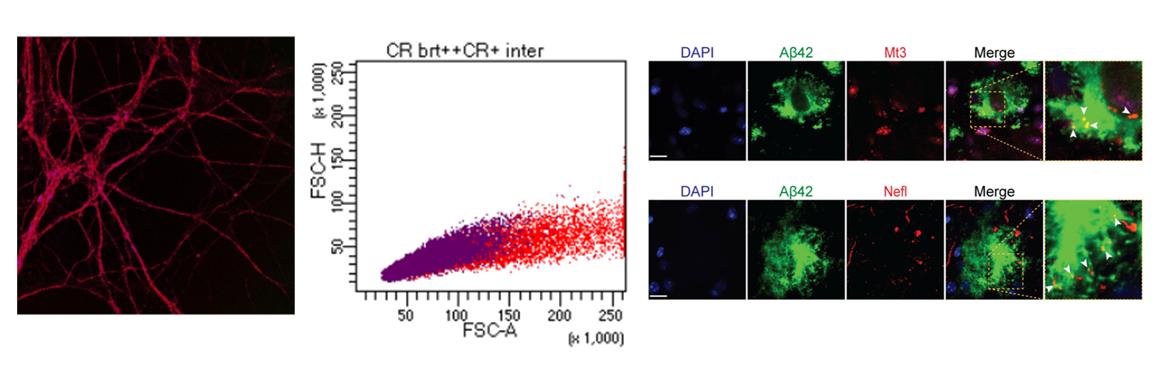
The lab focusses on understanding proteins, their turnover and mechanisms of proteostasis in health and diseases. We explore protein quality control pathways, including molecular chaperones, ubiquitin proteasome system (UPS), and autophagy, in the regulation of protein turnover in various systems and conditions. Our goal is to dissect molecular pathways affecting cellular health and to identify key molecules regulating these pathways.
Protein misfolding, aggregation and degradation are primary focus of our research. We investigate pathways of neurodegeneration, regulators of neurodevelopment and mechanisms of healthy ageing by applying state-of-the-art proteomics approaches. We work on the crossroads of cell proliferation and cell death pathways to understand the altered metabolism and signalling in various cancers. One key area of our ongoing research is investigating molecular relationships between mother and child by studying the proteomic profile of placental tissues.
Ongoing research Focus:
- Understanding amyloid heterogeneity and polymorphism
- Dissecting proteostasis machinery at synapses
- Understand the biphasic model of ageing
- Identify key biomarkers forcervical and oral cancers
- Develop new diagnostics for neurodevelopmental disorders
Tools and Models:
- Mass spectrometry-based proteomics- pulse chase proteomics, PTMs, amyloid proteomics, etc.
- Mammalian cell culture-based assays
- Rodents (mice, rats, etc.) and human tissues
- Nanocarrier-based targeted delivery of drugs and antibodies against amyloid beta in Alzheimer’s disease
- Biochemical tools for purification of amyloids, postsynaptic density and exosomes
- Low-cost LIG sensor development for detection of biomarkers in ultra-low concentrations
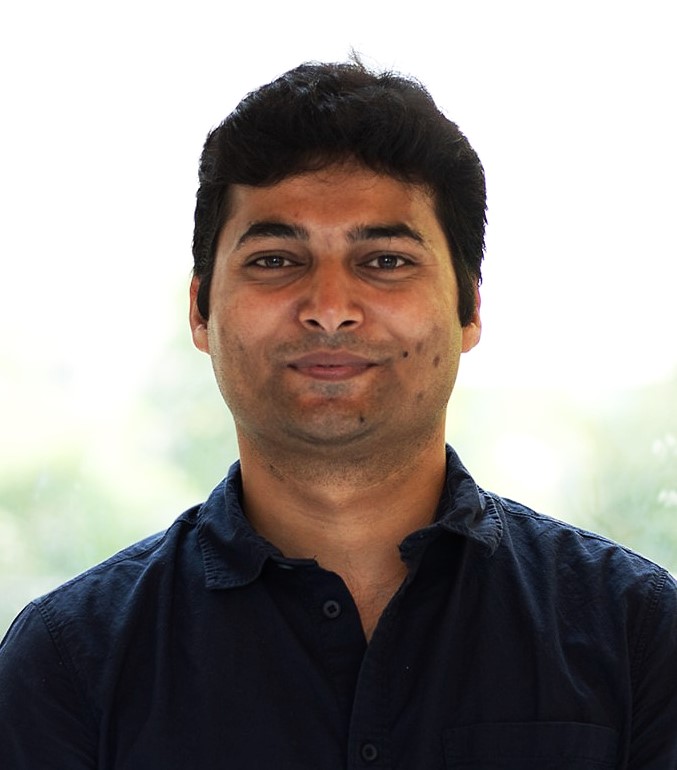
Dr. Arun Upadhyay
Dr. Arun Kumar Upadhyay is currently an Assistant Professor in the Department of Bioscience and Biomedical Engineering (BSBME) at the Indian Institute of Technology Bhilai. He received his Ph.D. in Bioengineering from the Indian Institute of Technology Jodhpur, after completing his Mastersof Sciencein Biotechnology from the University of Lucknow and B.Sc. (Honors) in Zoology from Hans Raj College, University of Delhi. Following his doctoral training, Dr. Upadhyay served as a Postdoctoral Fellow at Northwestern University Feinberg School of Medicine, Chicago, where he now continues as Adjunct Faculty. His research focuses on amyloids, Alzheimer’s disease, neurodegeneration, protein misfolding and aggregation, proteostasis, autophagy, ubiquitination, cancer, and aging, with extensive applications of mass spectrometry and proteomics. Dr. Upadhyay also contributes actively to scientific publishing and outreach as Associate Editor for BMC Molecular and Cell Biology, BMC Neuroscience, BMC Biotechnology, and Frontiers in Genetics, and as Academic Editor for PLOS ONE.